
Discover the Timeless
Land of the Ahoms
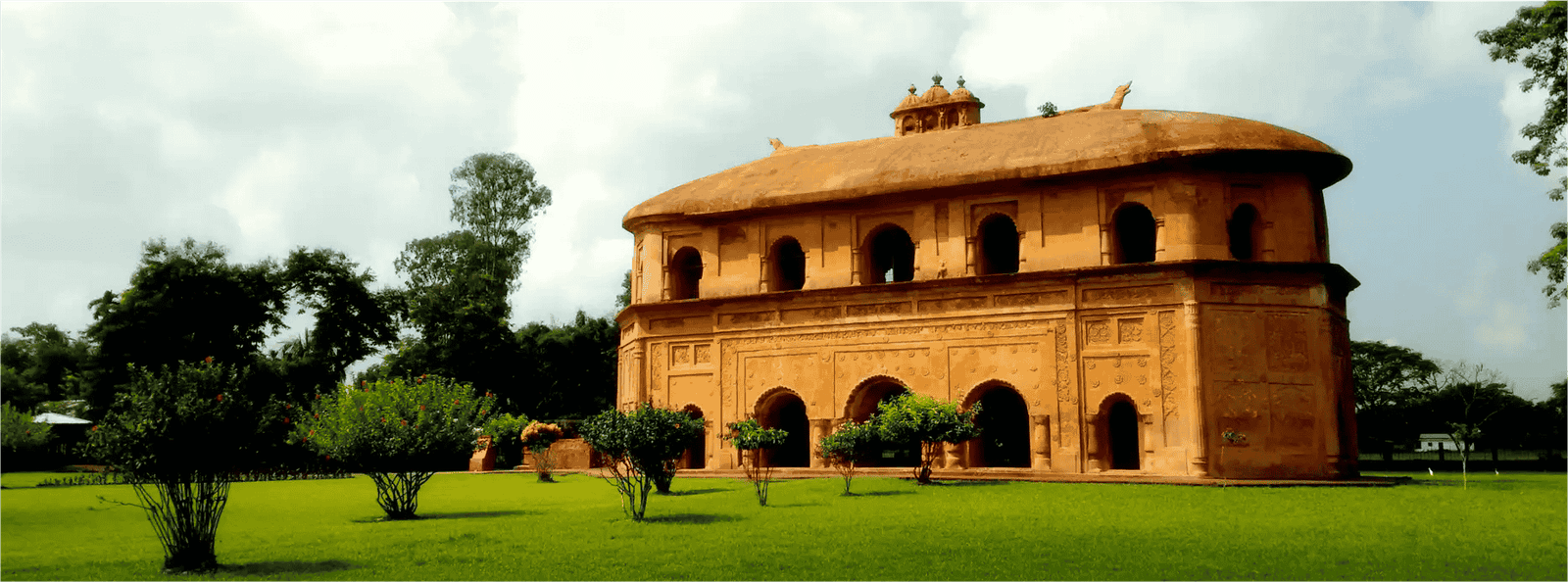
Sivasagar, often called the cradle of Assam’s heritage, is a town where history, culture, and nature come together in harmony. Once the capital of the powerful Ahom dynasty, Sivasagar is dotted with ancient temples, royal palaces, and serene lakes that whisper stories from over six centuries of rule.
When you stay with us at The Heritage Homestays, you don’t just find a place to rest — you find the perfect starting point to explore the living history of this remarkable town.
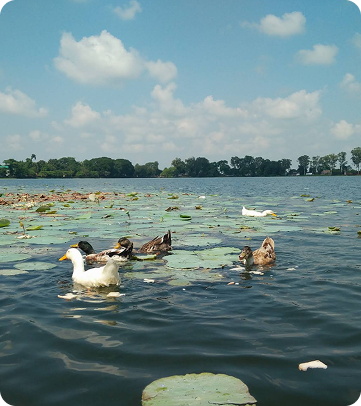
Jaysagar Lake
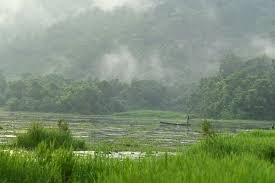
Situated towards the southern part of Rangpur Nagar, this 318-acre tank was dug in 1707 A.D. by Swargadeo Rudra Singha in memory of his mother, Soti Joymoti. It is Asia’s largest man-made tank and attracts migratory birds during winter. Located 4 km west of Sivasagar town.
RANGHAR
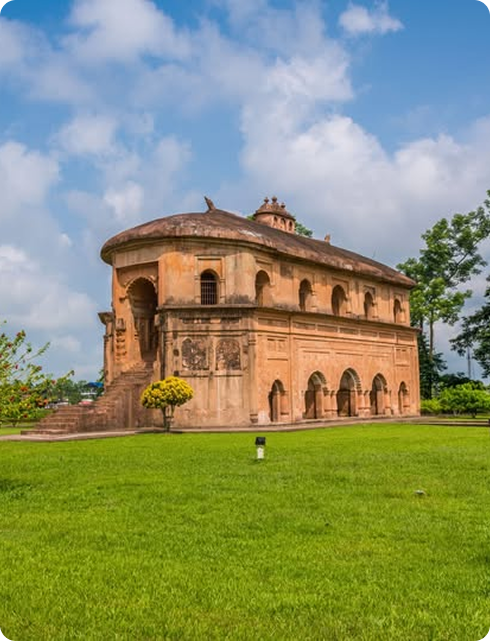
Kareng Ghar
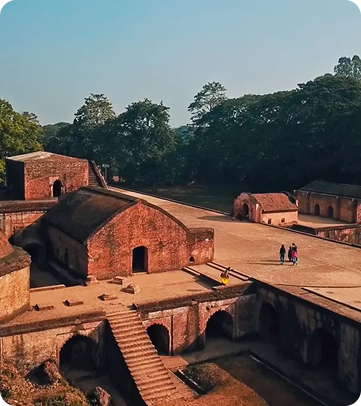
&
Why Sivasagar is Special
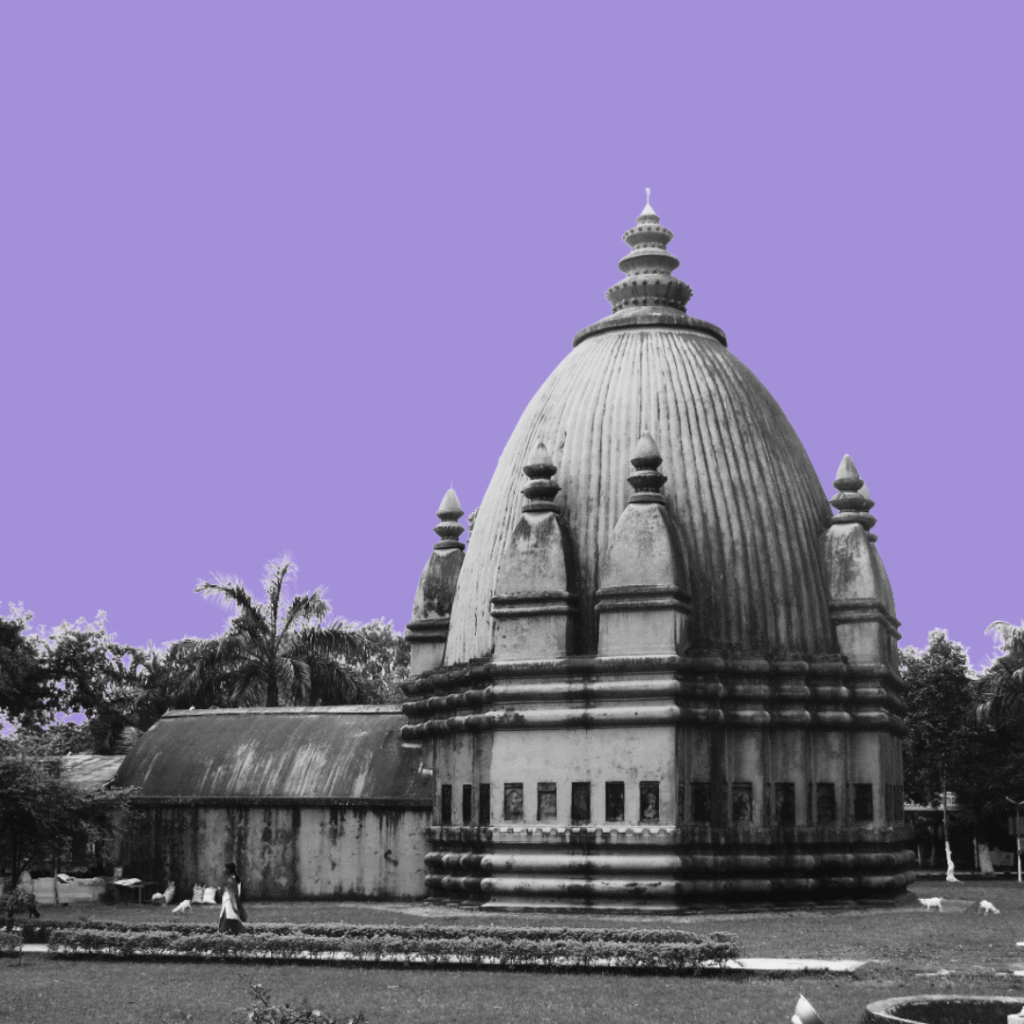
Historical Treasures
Explore centuries-old Ahom monuments, temples, and ruins.

Serene Lakes
Jaysagar, Rudrasagar, and Gaurisagar offer tranquility and scenic beauty.
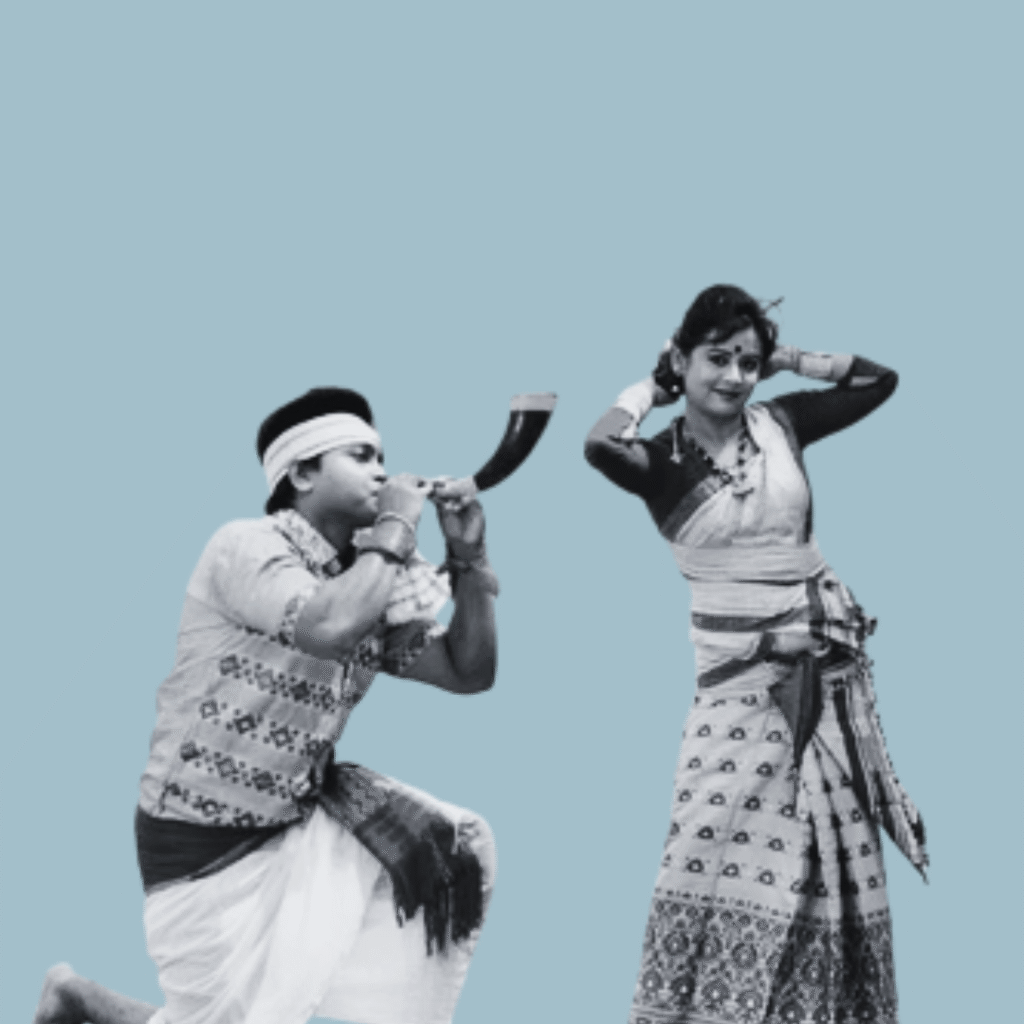
Cultural Soul
From traditional festivals to local markets, every corner tells a story.
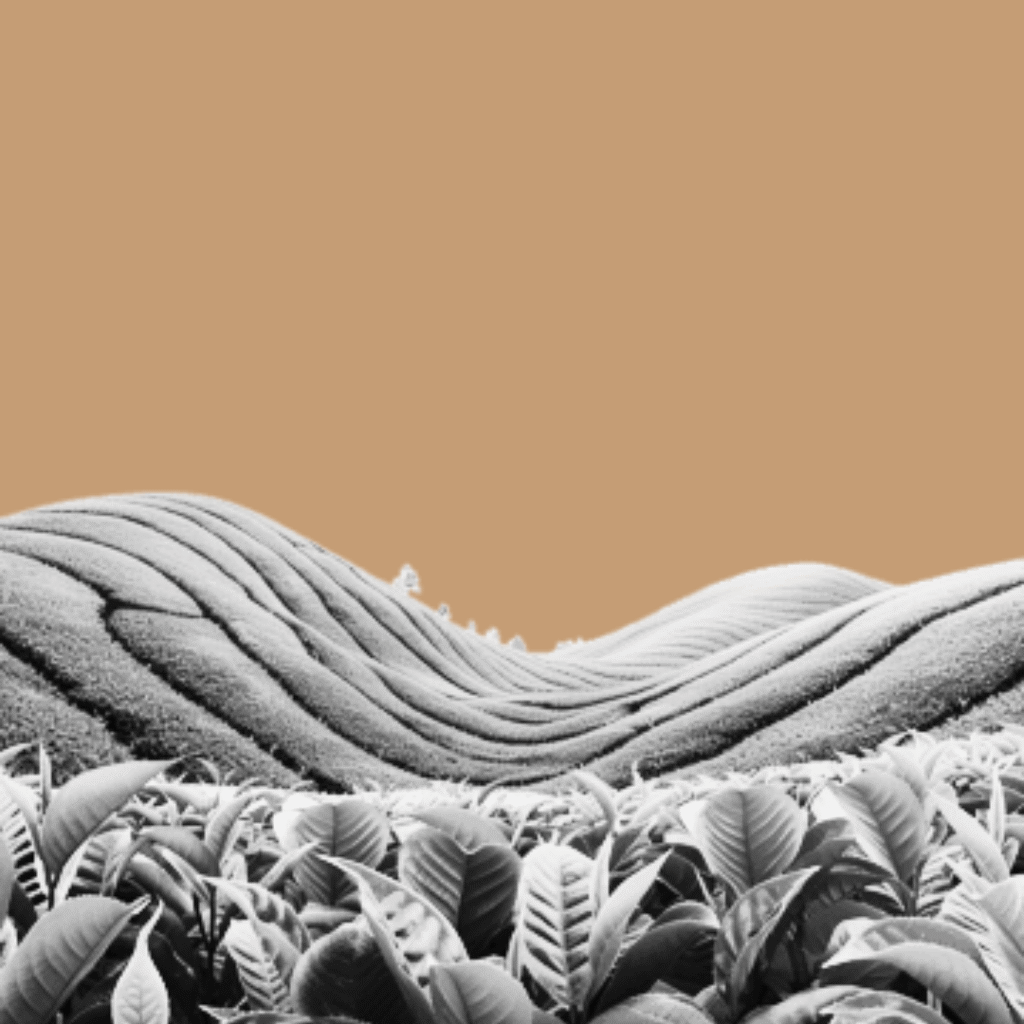
Natural Charm
Surrounded by greenery, tea gardens, and the mighty Brahmaputra.
Must-Visit Attractions Nearby
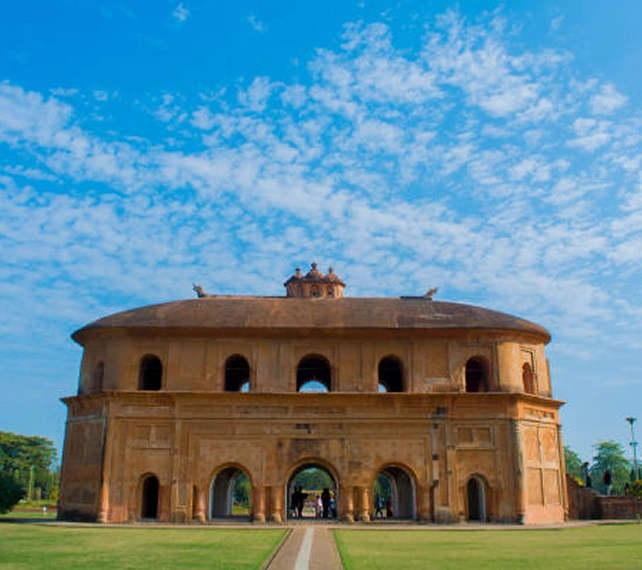
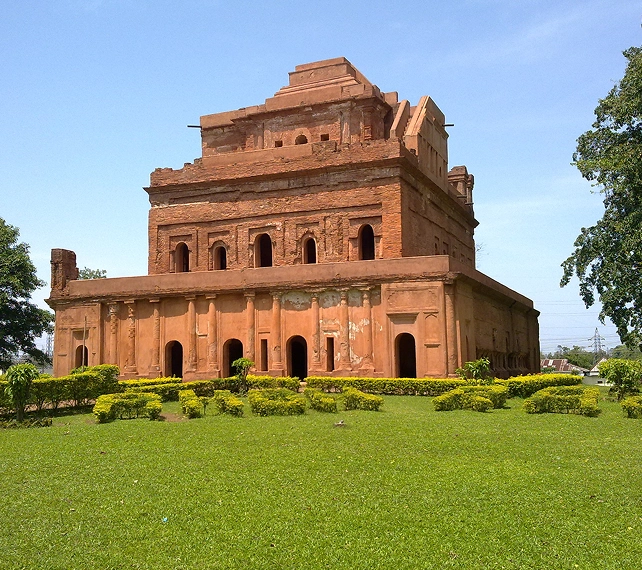
Rang Ghar
Jagadhatri Doul
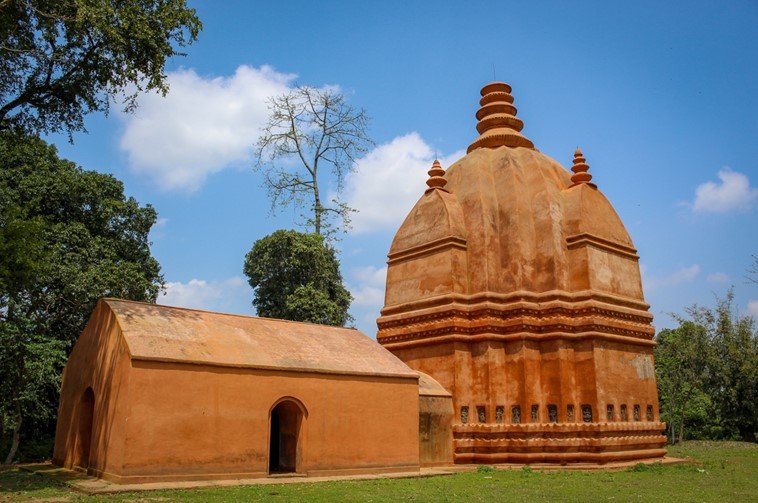
Jagadhatri Doul was built during the period of Swargadeo Shiva Singha. The brother of Phuleswari Kunwori, Harinath Borpatra Gohain worshipped Jagadhatri Devi.
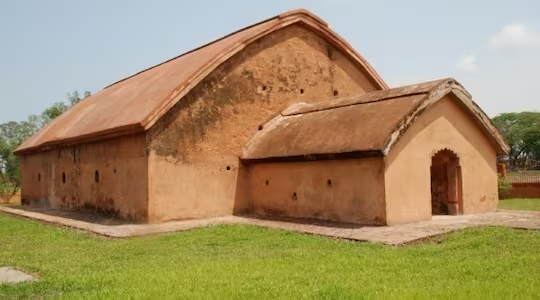
Talatal Ghar & Kareng Ghar
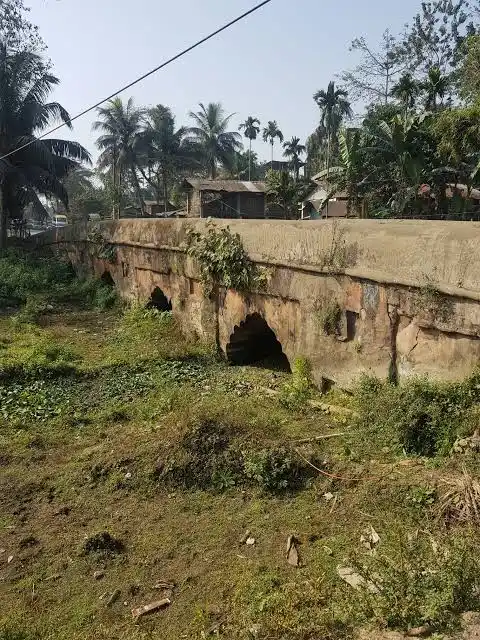
Namdang Stone Bridge
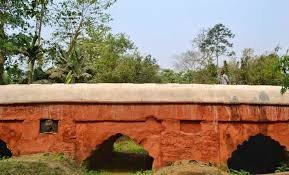
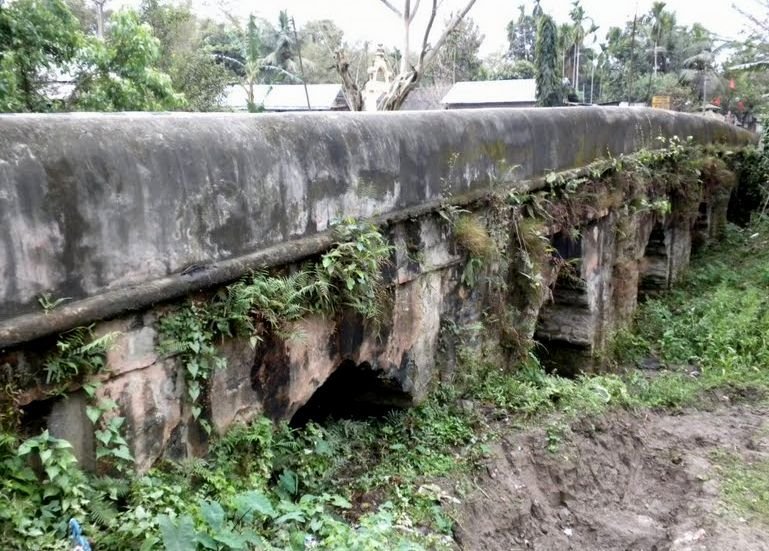
An engineering marvel from 1703, the Namdang Stone Bridge—carved entirely from a single massive rock—spans the Namdang River, about 12 km from Sivasagar. Built during the reign of King Rudra Singha by craftsmen brought from Bengal, this ancient bridge still carries the modern National Highway 37, standing as a testament to Ahom ingenuity.
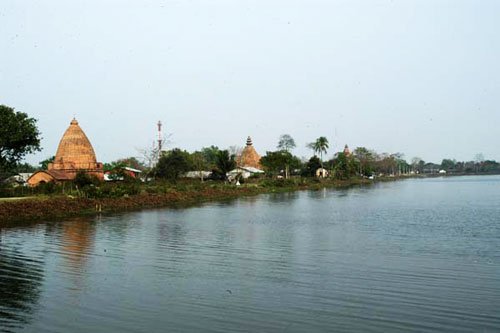
Gaurisagar Tank & Temples
The royal burial grounds often compared to the pyramids of Egypt. often called the cradle of Assam’s heritage, is a town where history, culture, and nature come together in harmony. Once the capital of the powerful Ahom dynasty,
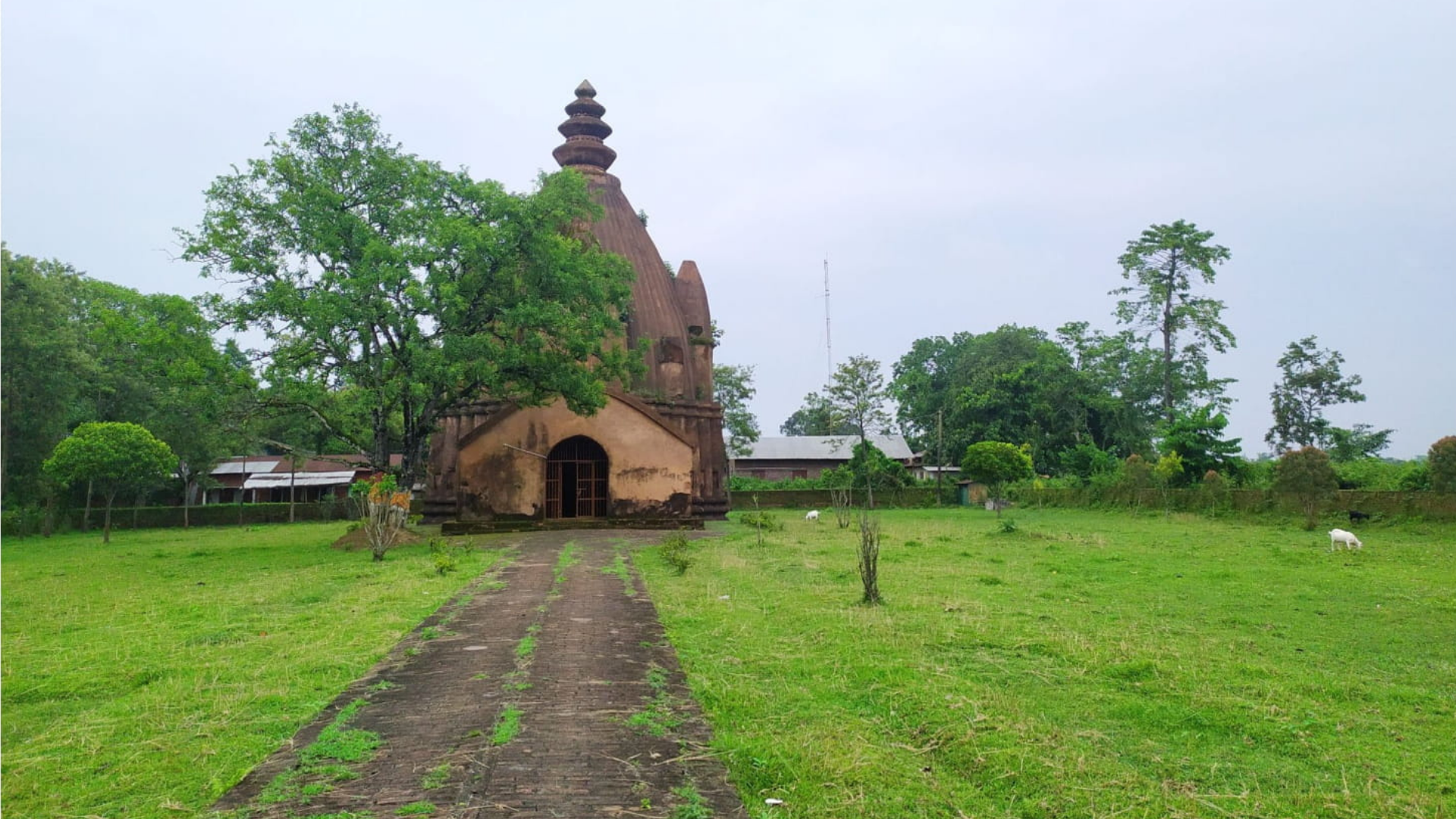
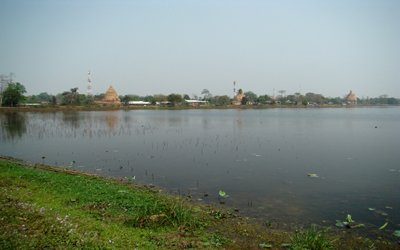
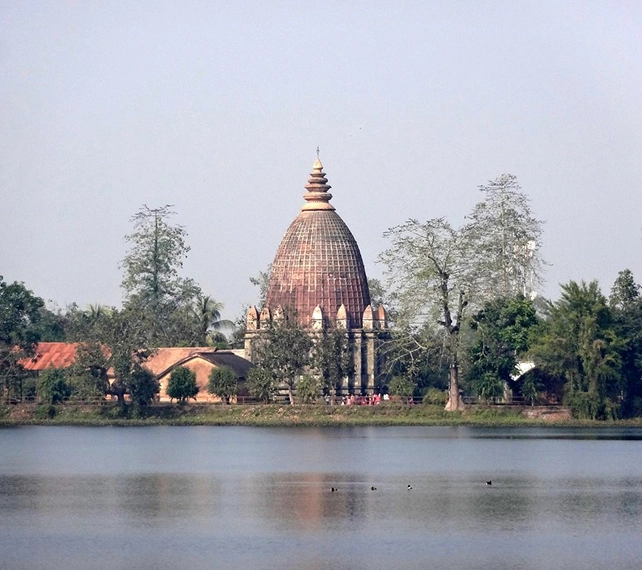
Jaysagar Lake
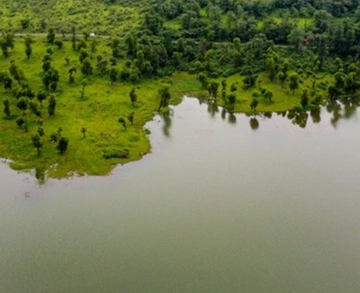
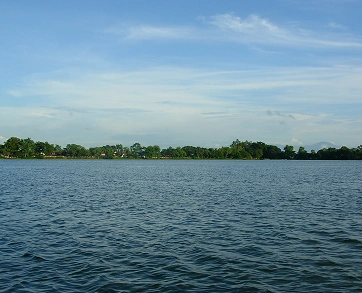
Situated towards the southern part of Rangpur Nagar, this 318-acre tank was dug in 1707 A.D. by Swargadeo Rudra Singha in memory of his mother, Soti Joymoti. It is Asia’s largest man-made tank and attracts migratory birds during winter. Located 4 km west of Sivasagar town.
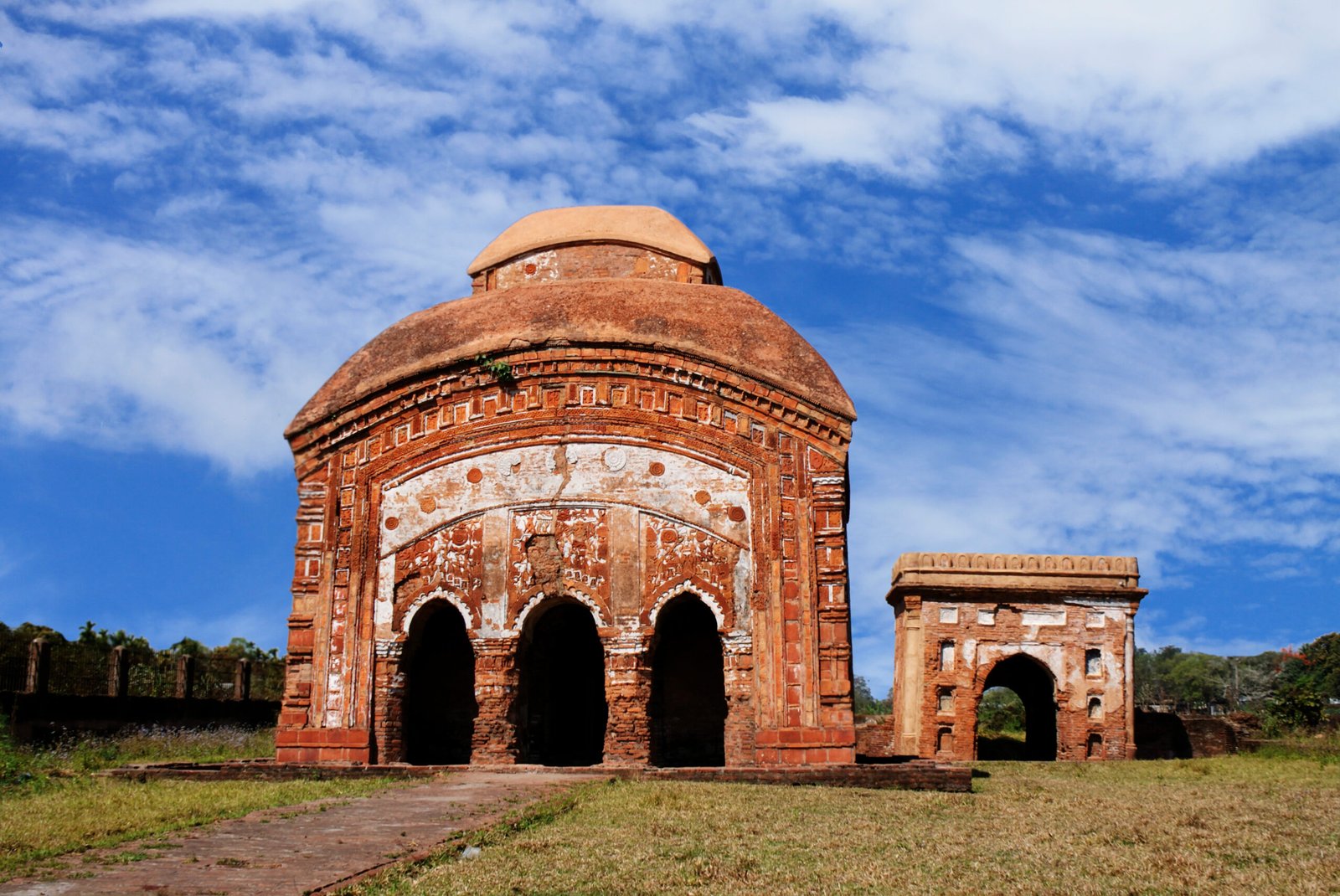
The Ghanashyam House
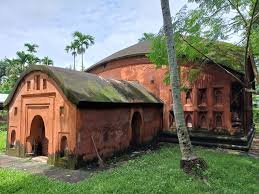
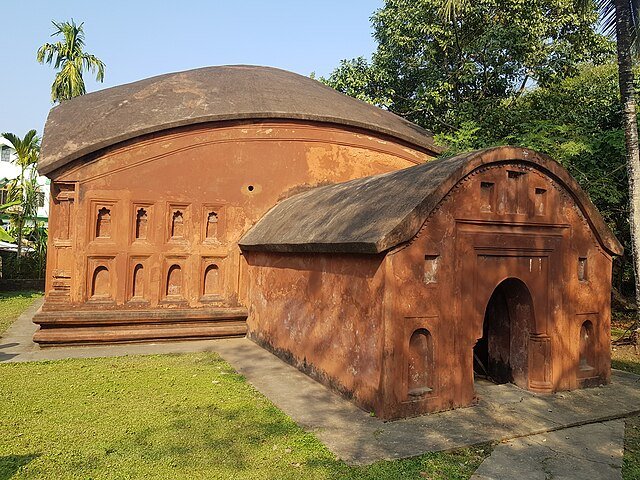
situated at the South-West corner of the Joysagar Tank. Ghanashyam was the famous architect of Karengghar during the reign of Swargadeo Rajeswar Singha. It is a small hut type structure decorated with terracotta works. The uniqueness of this structure is the mix of both Hindu & Islam religions in its architecture.
The man Ghanashyam has also built a number of masonry buildings, temples and other structures in and around Joysagar and from many of such structures, the Ghanashyam House is one. The door openings with arches resemble Islamic architecture. Terracotta works can be seen all over the walls of the monument. The monument does not have any similarity with any typical Hindu temple and also does not have any picture or relief of God/ Goddess. It was built during the rule of Swargadeo Promotta Singha in the year 1744 A.D. It is also known as Nati Gohain Doul.
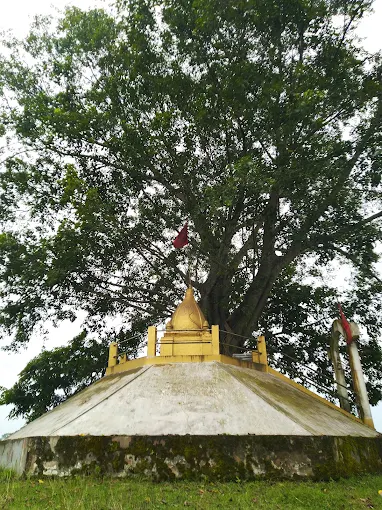
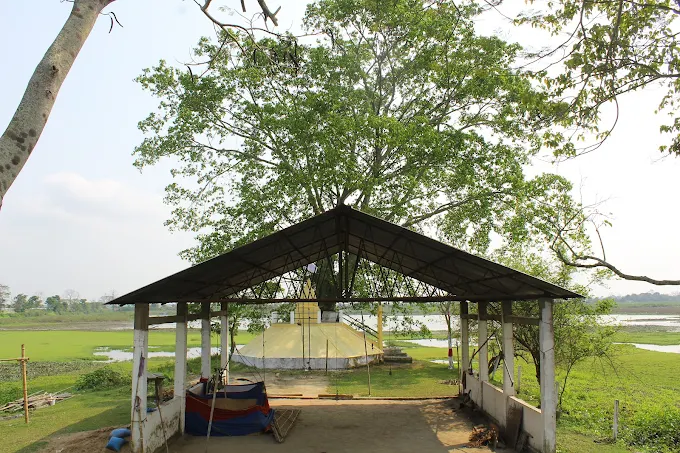
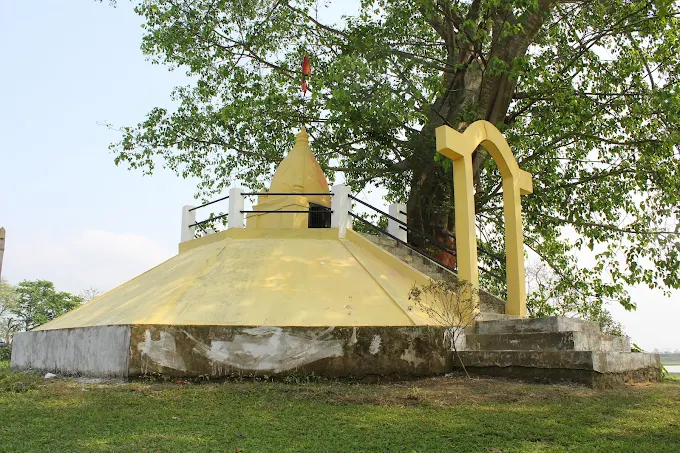
Fakuwa Doul
constructed by Swargadeo Rudra Singha in remembrance of his mother Queen Joymati Kunwari in between 1703-1704 A.D. The circumference of the Doul is about 90 ft (27 m), and its height from base to top is 30 ft (9.1 m). There is a local belief that this architecture is a Maidam or burial mound of Queen Joymati, the patriotic wife of Swargadeo Gadadhar Singha. This unique monument has an octagonal shaped plinth with eight “Angshikharas” at the base and four stairs in each of the four directions leading to the top where shrine was erected. It is a structure/ temple resembling the Pyramids of Egypt.
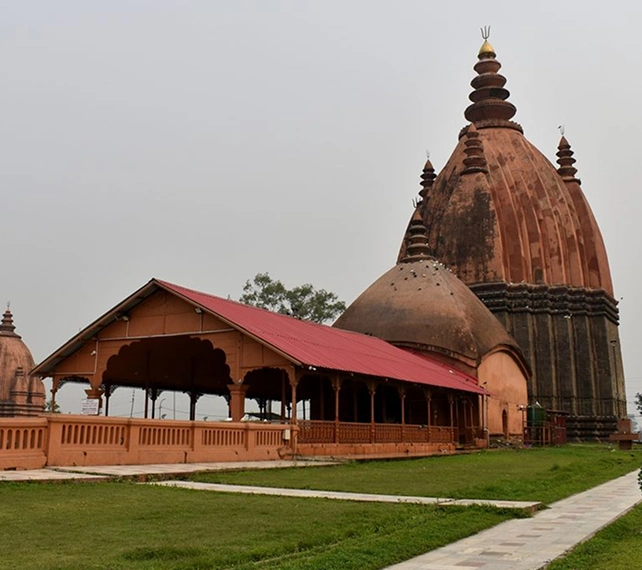
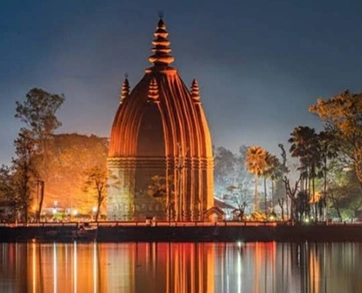
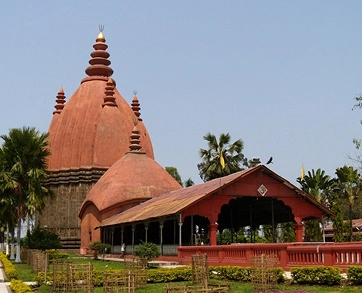
Sivasagar Sivadol Temple
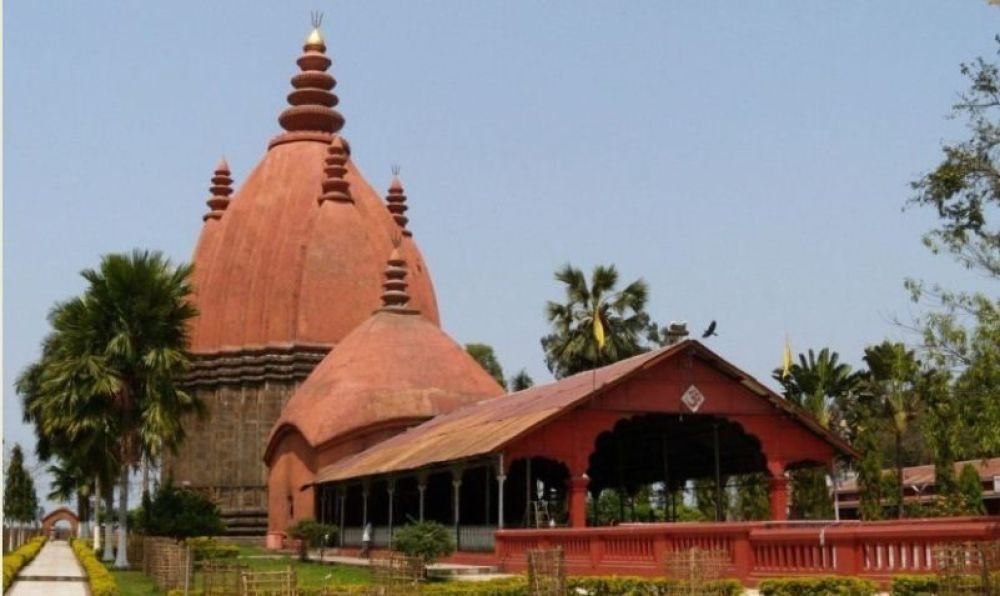
The 104-foot-high Sivadol, crowned with a golden dome and trident, remains the tallest Shiva temple in Assam. According to legend, even invading forces, including the British, failed in their attempts to remove the temple’s golden trishul — a symbol of divine protection.
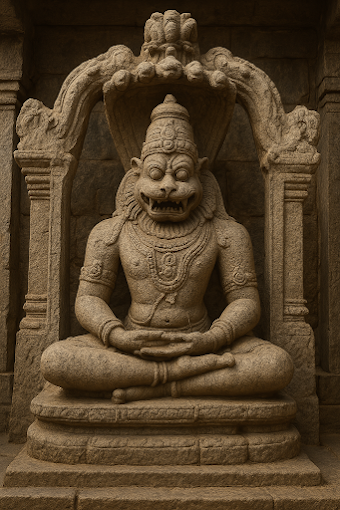
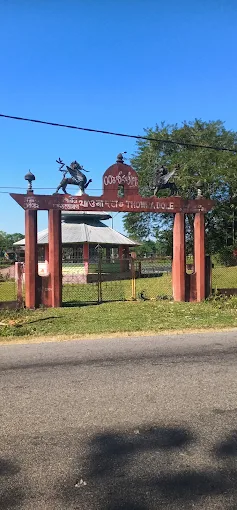
Thowra Doul
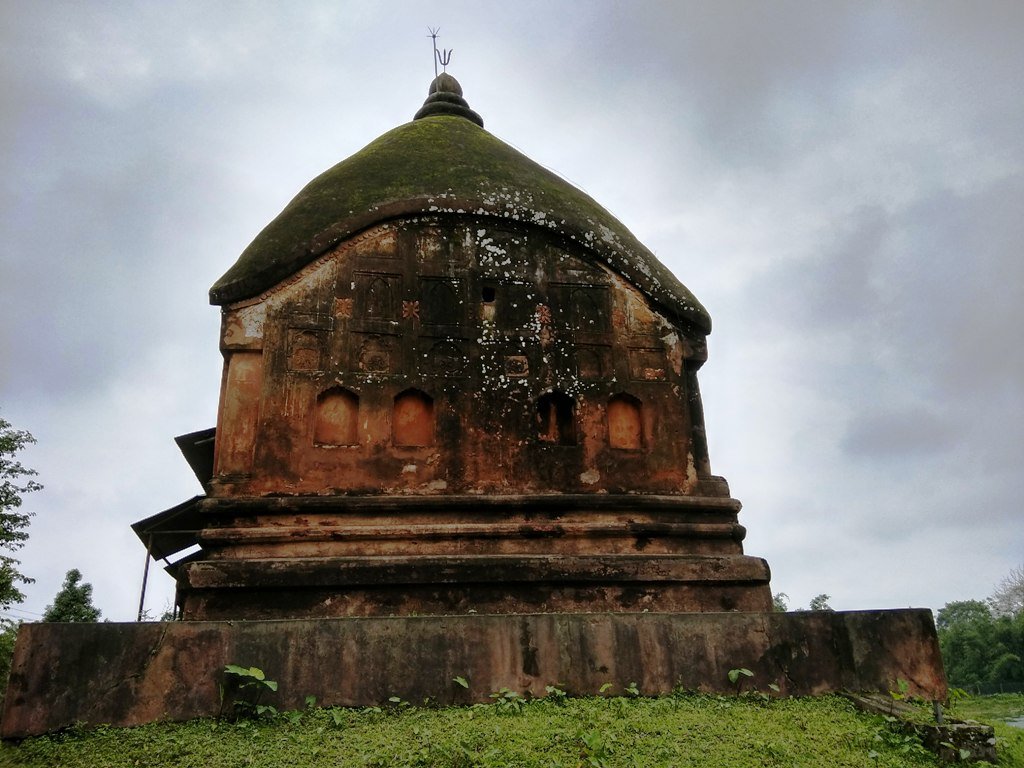
Built between 1683 and 1685 A.D. during the reign of Swargadeo Gadadhar Singha by Alon Burha Dehingia Borbarua. Located 10 km from Sivasagar, the temple’s char-chala roof and intricate floral carvings highlight early Ahom craftsmanship.
Gorokhiya Doul
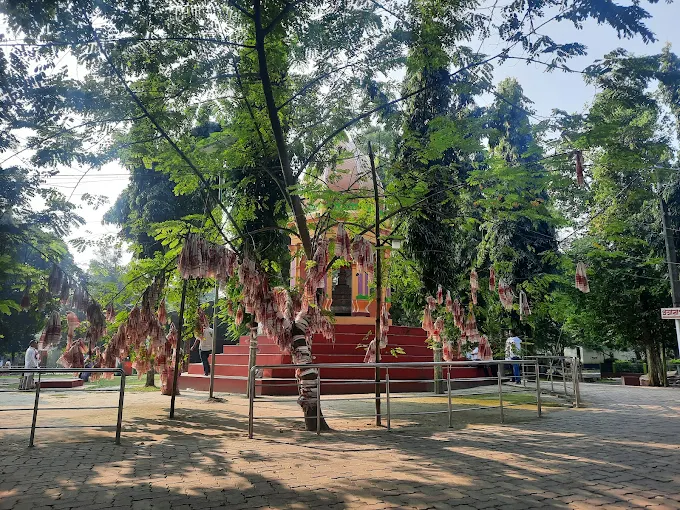
Built during the reign of Swargadeo Pratap Singha (1603–1648 A.D.), this small octagonal temple—also known as Mai Doul or Maheswara Ghar—represents the early phase of Ahom temple architecture. Situated at Nazira, 16 km from Sivasagar.
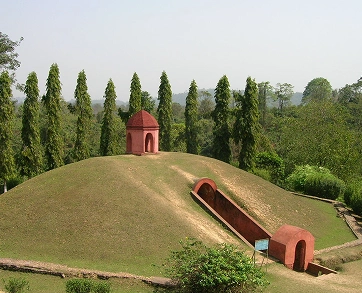
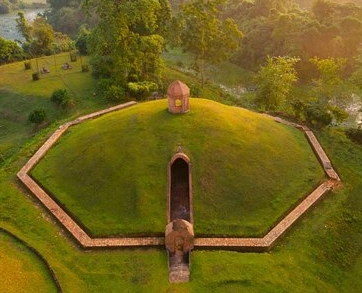
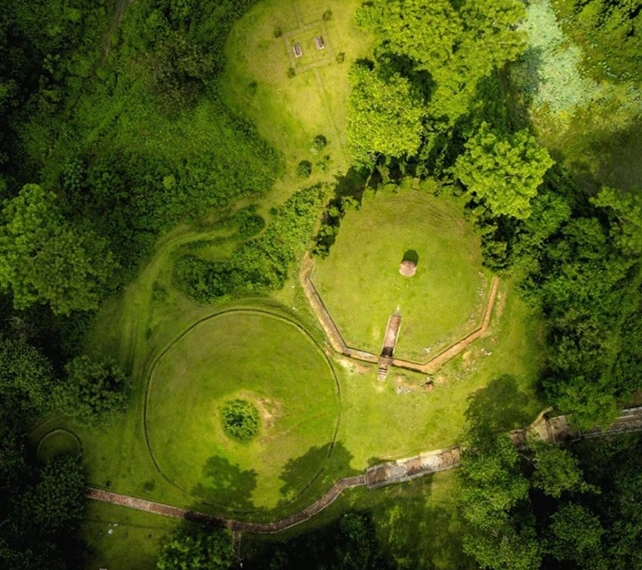
Charaideo Maidams
The royal burial grounds often compared to the pyramids of Egypt. often called the cradle of Assam’s heritage, is a town where history, culture, and nature come together in harmony. Once the capital of the powerful Ahom dynasty,
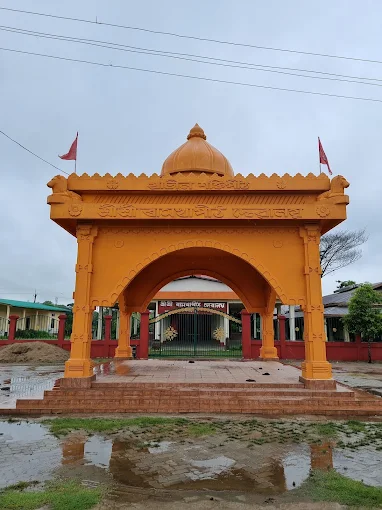
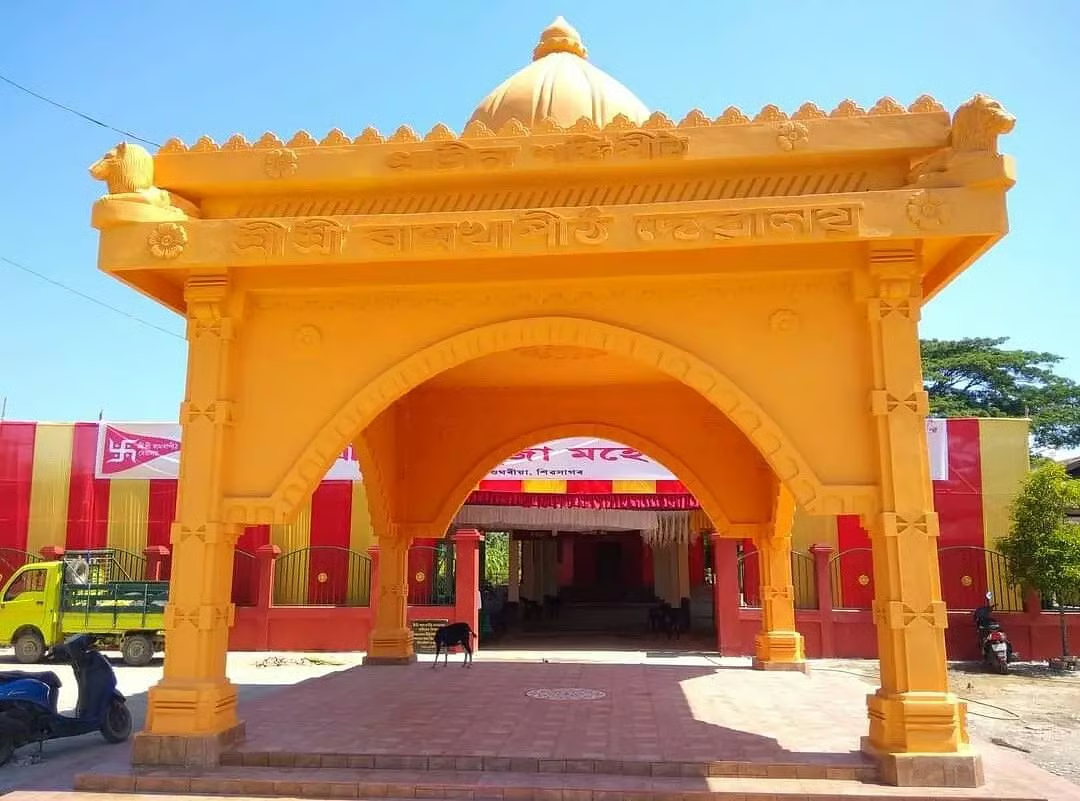
Ramkha Peeth Devalaya (Dikhowmukh)
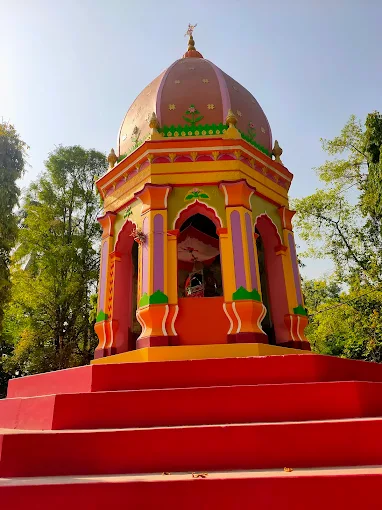
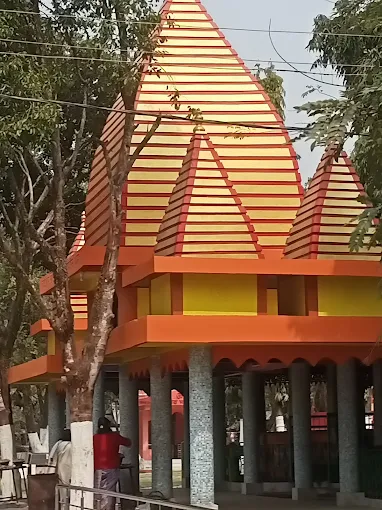
A revered site where it is believed a part of Goddess Sati’s body fell. The temple was patronized by Swargadeo Lakshmi Singha (1769–1780 A.D.) and continues to be an important center of worship.
Ajan Pir Dargah Sharif
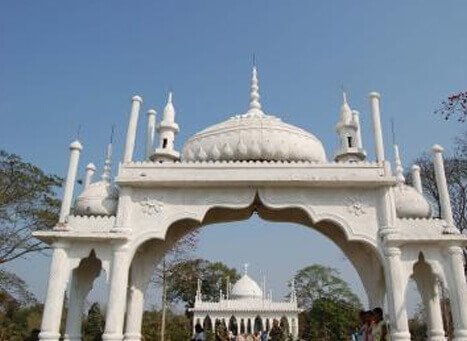
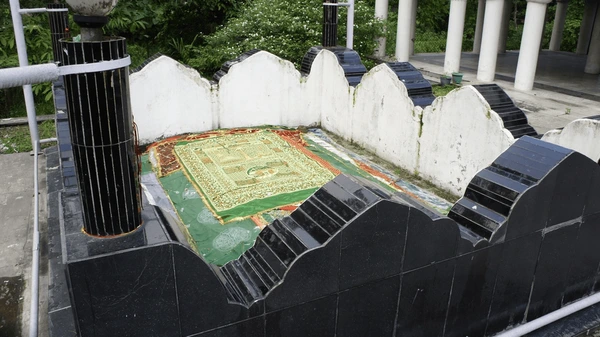
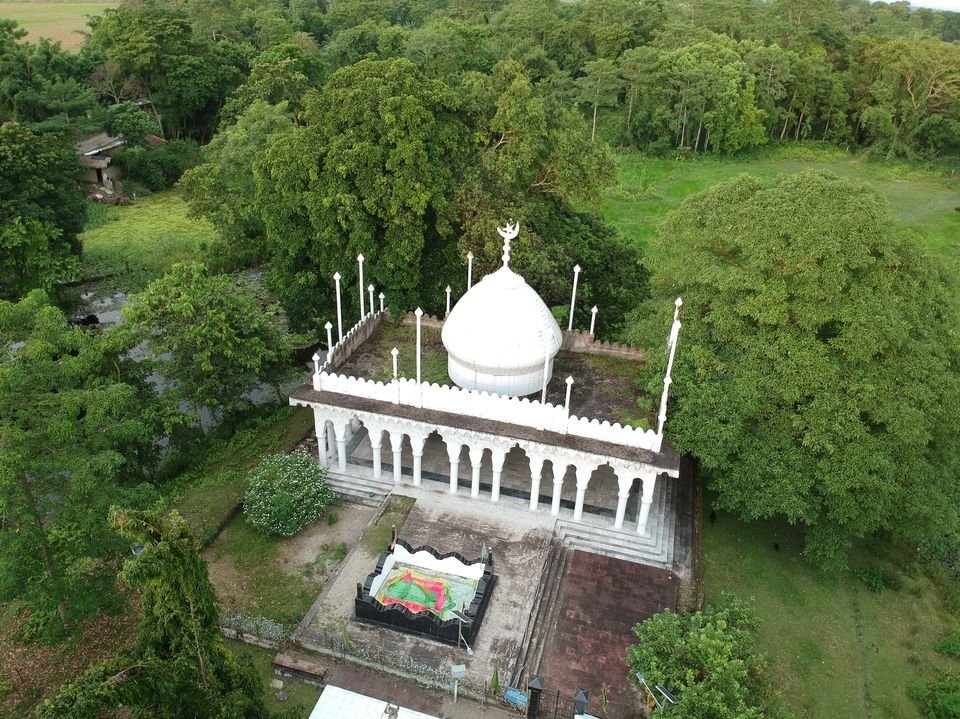
Located 22 km from Sivasagar at Saraguri Chapori, this revered shrine is dedicated to the 17th-century Sufi saint Ajan Fakir, originally from Baghdad. He introduced Zikir, devotional Sufi hymns in Assamese that blended spirituality with local culture. During his Urus, thousands of devotees gather to pay homage, making it a symbol of Assam’s spiritual harmony.
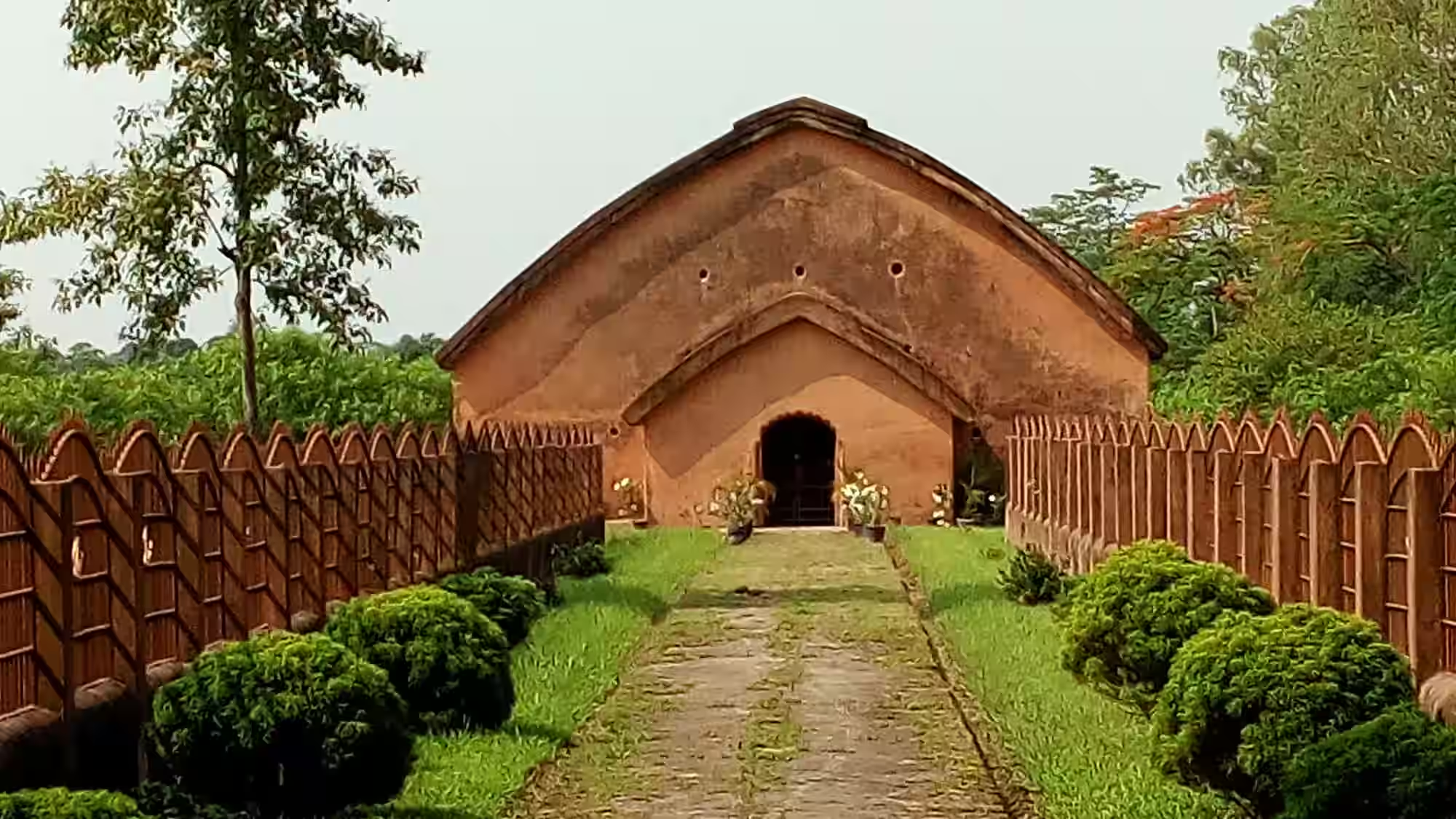
Gola Ghar
Situated towards the southern part of Rangpur Nagar, this 318-acre tank was dug in 1707 A.D. by Swargadeo Rudra Singha in memory of his mother, Soti Joymoti. It is Asia’s largest man-made tank and attracts migratory birds during winter. Located 4 km west of Sivasagar town.
Bakhar Bengena Tree
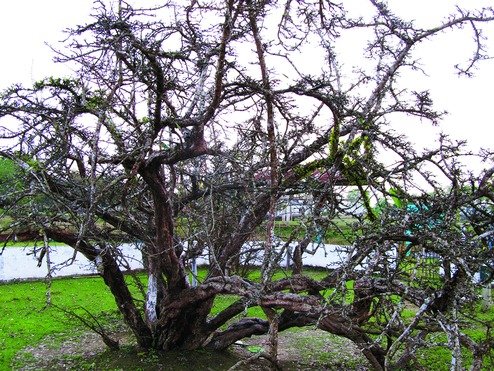
Bakhar Bengena Tree is a legendary living tree which is, believe it, scientifically estimated to be 580 years old, a pride of Jobolating village of Bokota Mouza, around 27 kms from the district headquarter of Sivasagar. The tree was discovered by famous botanist of India U N Kanchilan in 1939 gave the scientific name as Rendia Ulizinsa. According to legend, the tree was believed to have been planted by the Barahi-Kachari king Mahamanikya in the 14th century to demarcate his kingdom. Another theory claims that the tree was protected by an official of the Ahom king Swargadeo Suhungmung (1497-1539). According to a third view, the Chutia king (12th century to 16th century) planted this precious tree on the boundary of his kingdom. After a series of prolonged experiments of various samples of the Bakhar Bengena by a group of scientists led by Dr S K Basumatary along with Dr Swati tripathi, Dr S K Bera and Dr C M mautiyal of Birbal Sahni Institute of Palacobotany in Lucknow. The team was locally assisted by Dr Dipak Nath. After two years of research by The Birbal Sahni Institute of Palaeobotany, Lucknow using Radiocarbon Dating and Genetic Matching confirmed that the age of this tree could be around 580 years.
Rudrasagar Tank & Temple
Built in 1773 by King Lakshmi Singha in memory of King Rudra Singha, this site lies about 8 km from Sivasagar.
Central Baptist Church
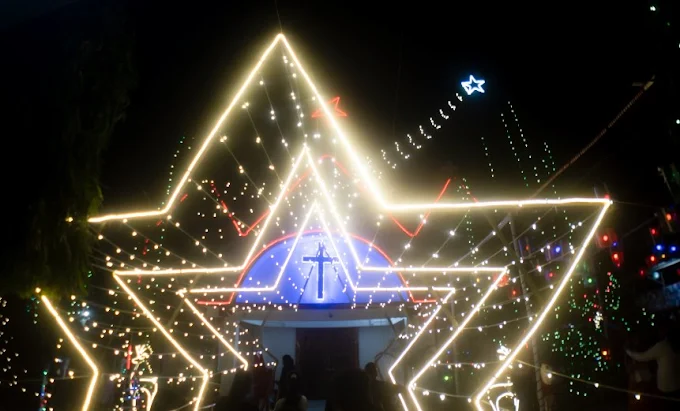
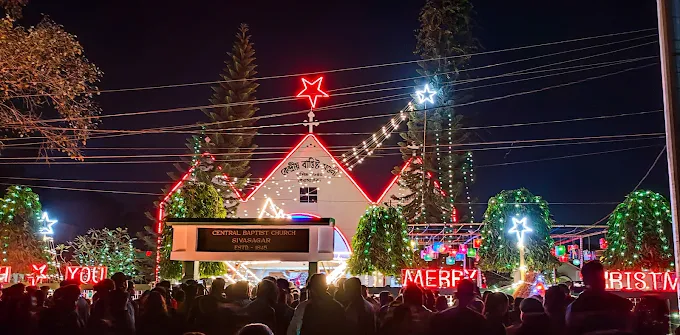
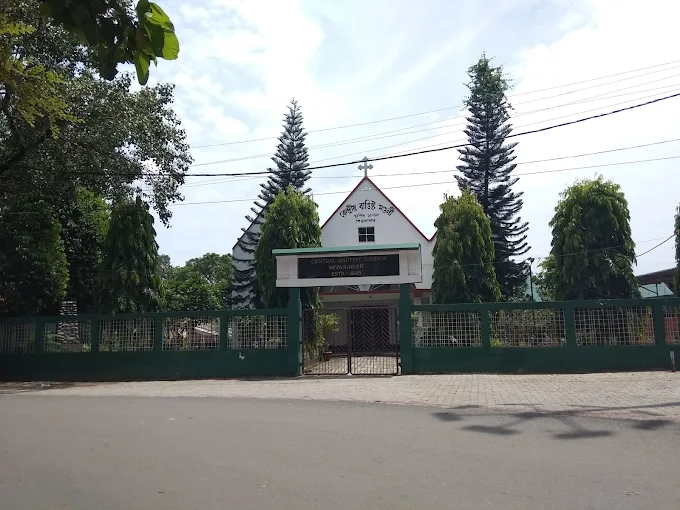
One of Northeast India’s oldest churches, built in 1845 by American Christian Baptist Missionaries on the bank of the Sivasagar Tank. Rev. Nathan Brown, Rev. Miles Bronson, Oliver Cutter, and William Ward were instrumental here—also responsible for Arunodoy (1846), the first Assamese newspaper.
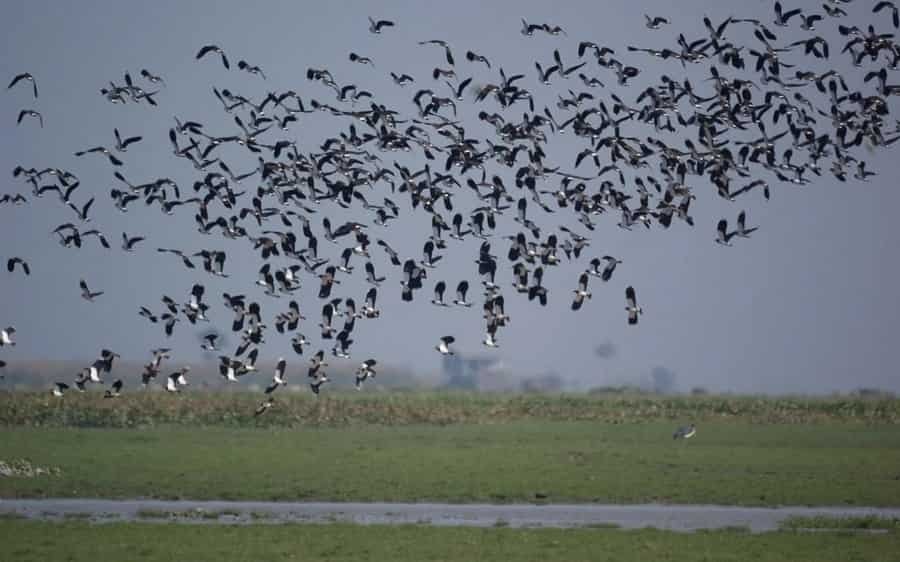
Panidehing Bird Sanctuary
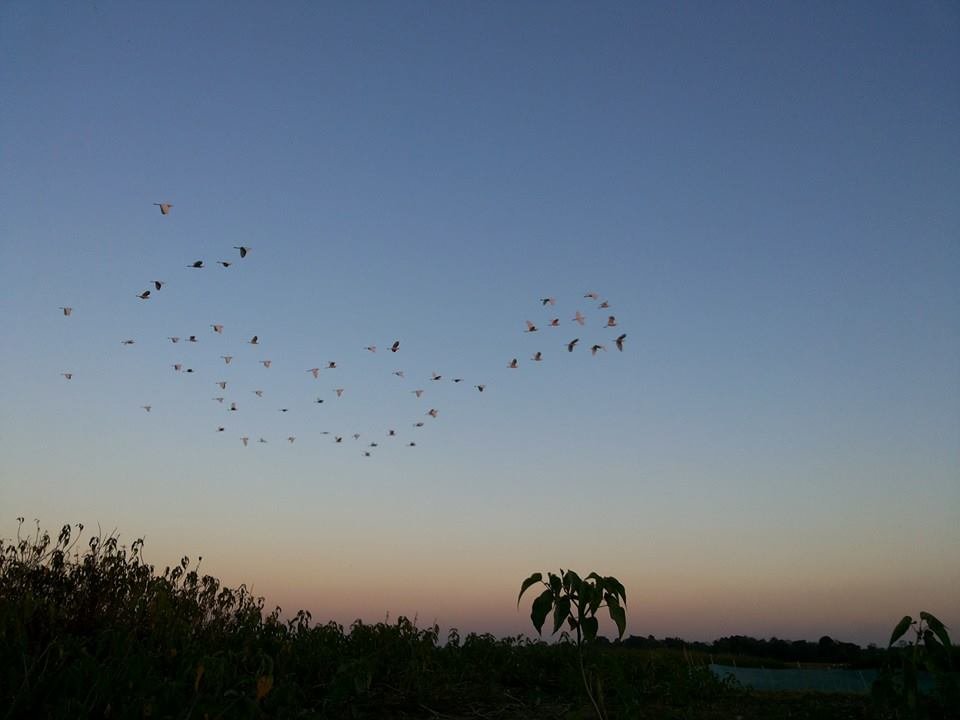
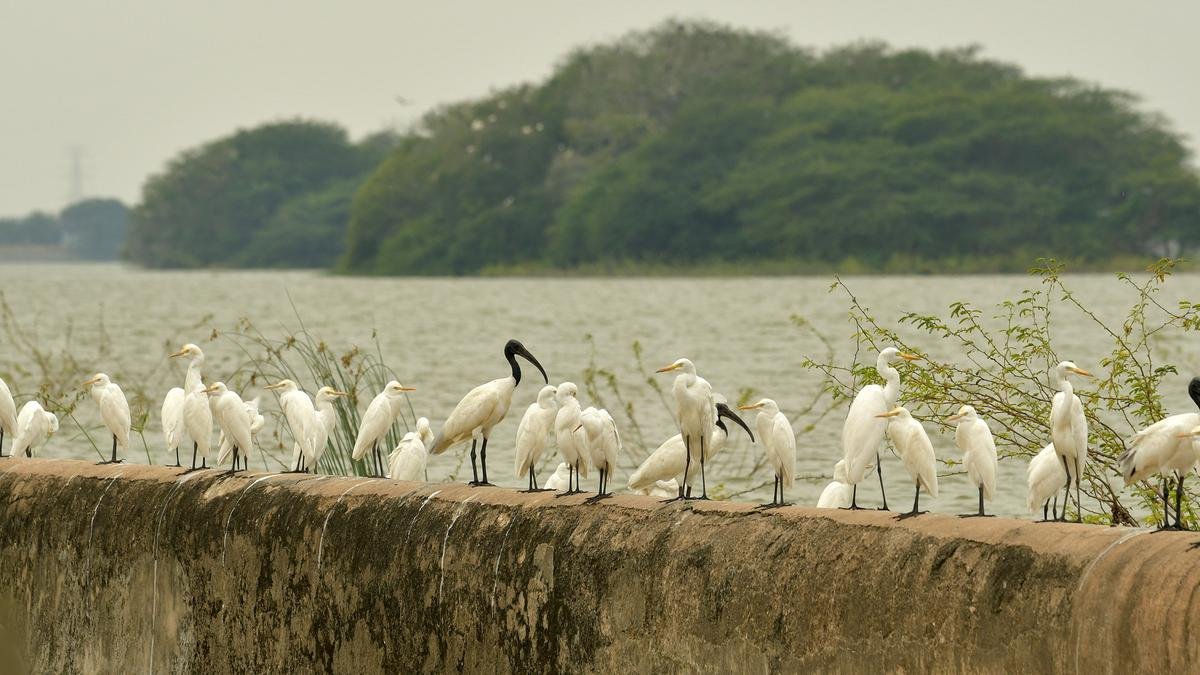
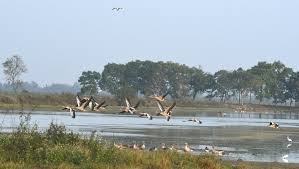
Located 22 km from Sivasagar between the Desang and Demow rivers, this 33.93 sq. km sanctuary (declared in 1996) is home to over 165 bird species, including migratory geese, ducks, adjutant storks, and eagles — a true paradise for birdwatchers.
Pahugarh
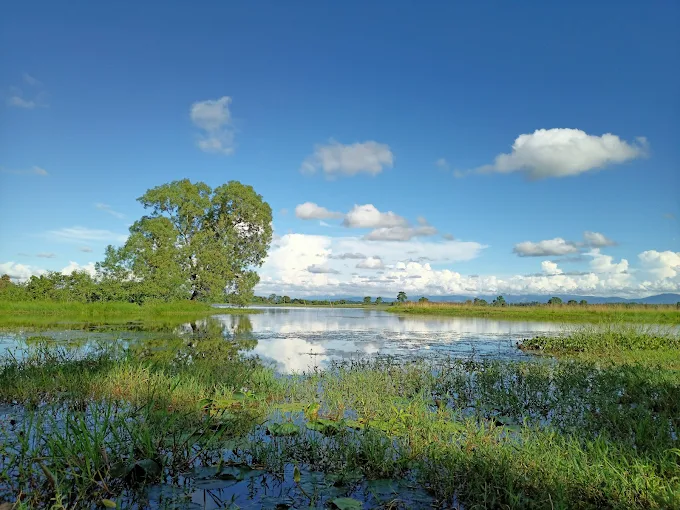
Situated just 500 meters from Joysagar, it is believed to be one of India’s earliest zoological enclosures—an Ahom initiative to conserve wildlife.
Hara Gauri Doul & Vishnu Doul at Namti
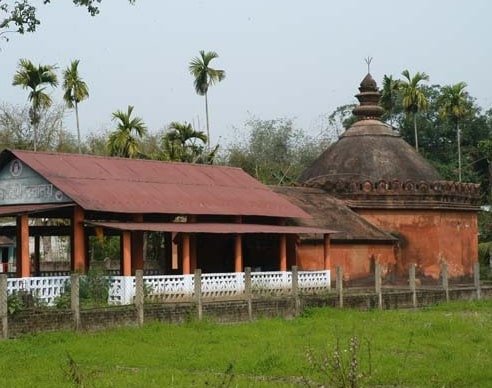
A beautifully ornamented do-chala brick temple built during the reign of Swargadeo Rajeswar Singha (1751–1769 A.D.), located at Joysagar, 4 km from Sivasagar town.
Vishnu Doul at Namti: Constructed by Namatial Bhagati Barbarua in 1775 A.D. during the reign of Swargadeo Gourinath Singha. The temple showcases elegant brickwork and native Assamese motifs. Located 18 km from Sivasagar.
Ranganath Doul
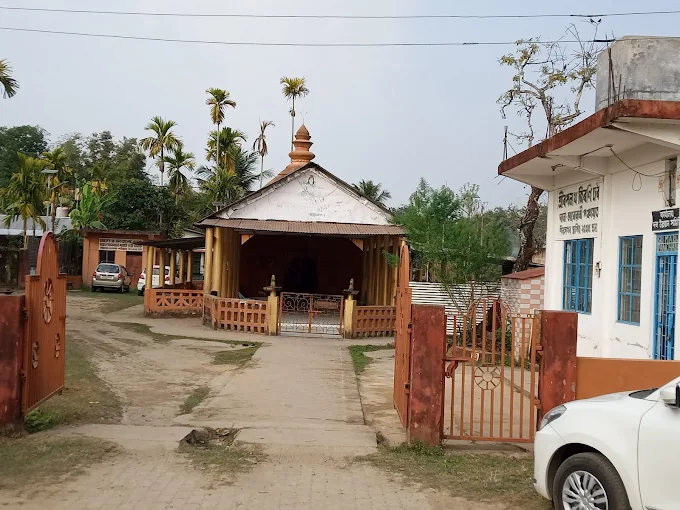
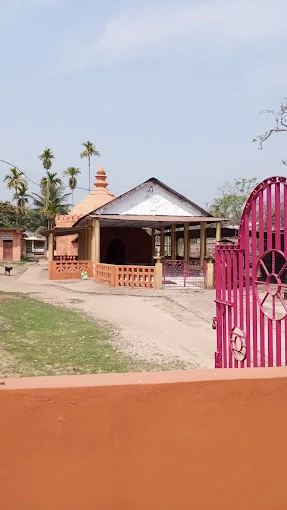
A Shiva temple constructed by Swargadeo Rudra Singha in 1703 A.D. near the Borduar Gate between Joysagar Tank and Talatal Ghar. It remains an active place of worship and is protected by the Archaeological Survey of India.
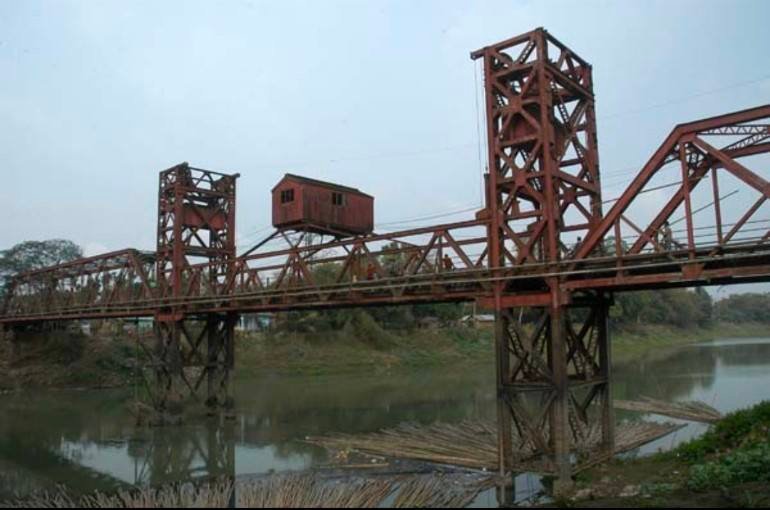
Dikhow Bridge
The old Dikhow steel bridge on AT Road in Sivasagar, built by Braithwaite and Co. (India) Ltd, Calcutta, during British rule, is a remarkable historical landmark. Constructed between 1925 and 1935, this bridge is unique for its mid-section that could be lifted to allow ships and boats to pass through. It played a crucial role in improving the transportation network, facilitating the movement of agricultural produce from rural areas to urban markets. The Assam Company, operating from 1839 to 1953 and based in Nazira, Sivasagar district, transported tea to Kolkata using ships via the Dikhow River. The steel parts were manufactured by a British company and India's Tata Iron and Steel Company Ltd. Under the guidance of a British engineer, with significant contributions from Assamese engineer Shri Hariprasad Baruah, the bridge stands as a testament to the engineering marvel of the colonial era. Though now closed for safety, its architectural splendour and historical importance remain a significant part of Assam's heritage.
Desangmukh
The scenic confluence of the Desang and Brahmaputra Rivers, popular among nature lovers and tourists. It showcases the harmonious coexistence of Mishing and Gorkha communities and lies near the Panidehing Bird Sanctuary.
Rivers and Places of Interest
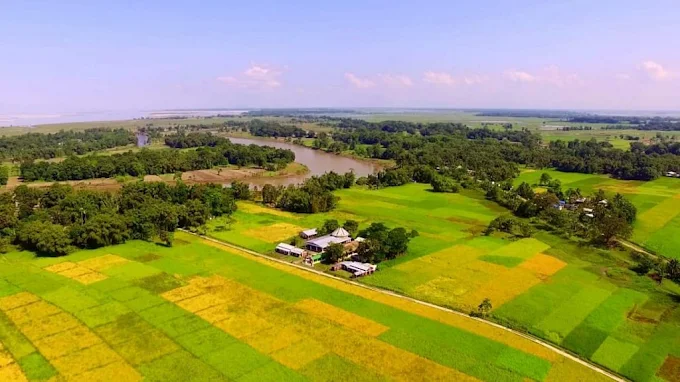
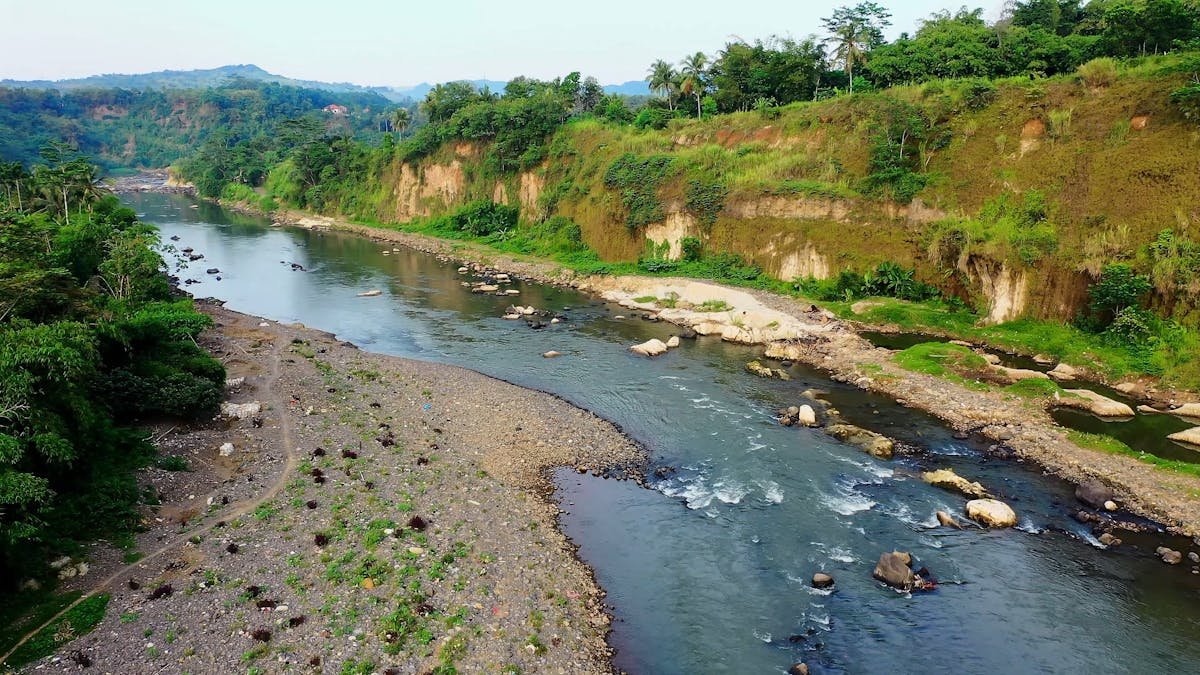
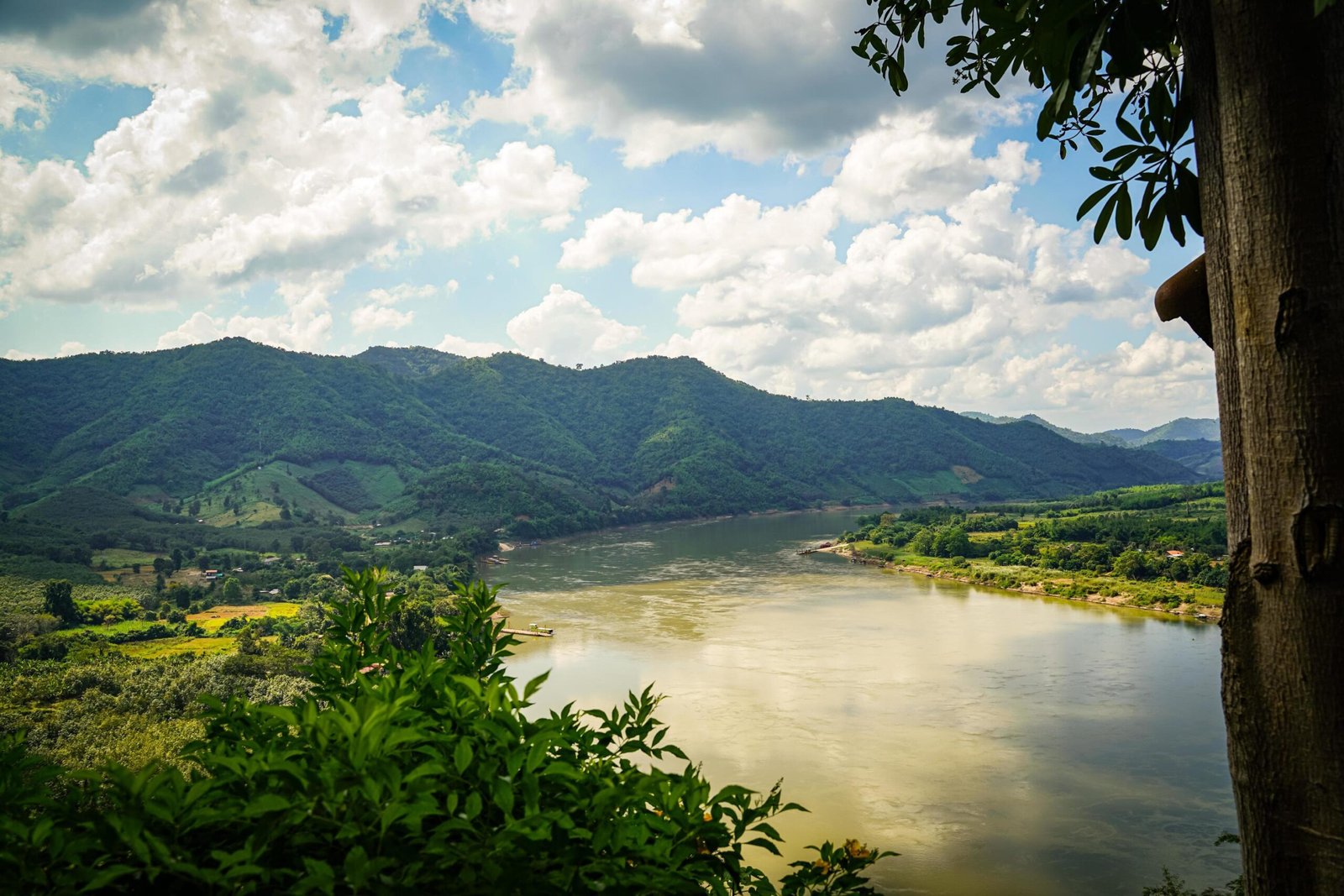
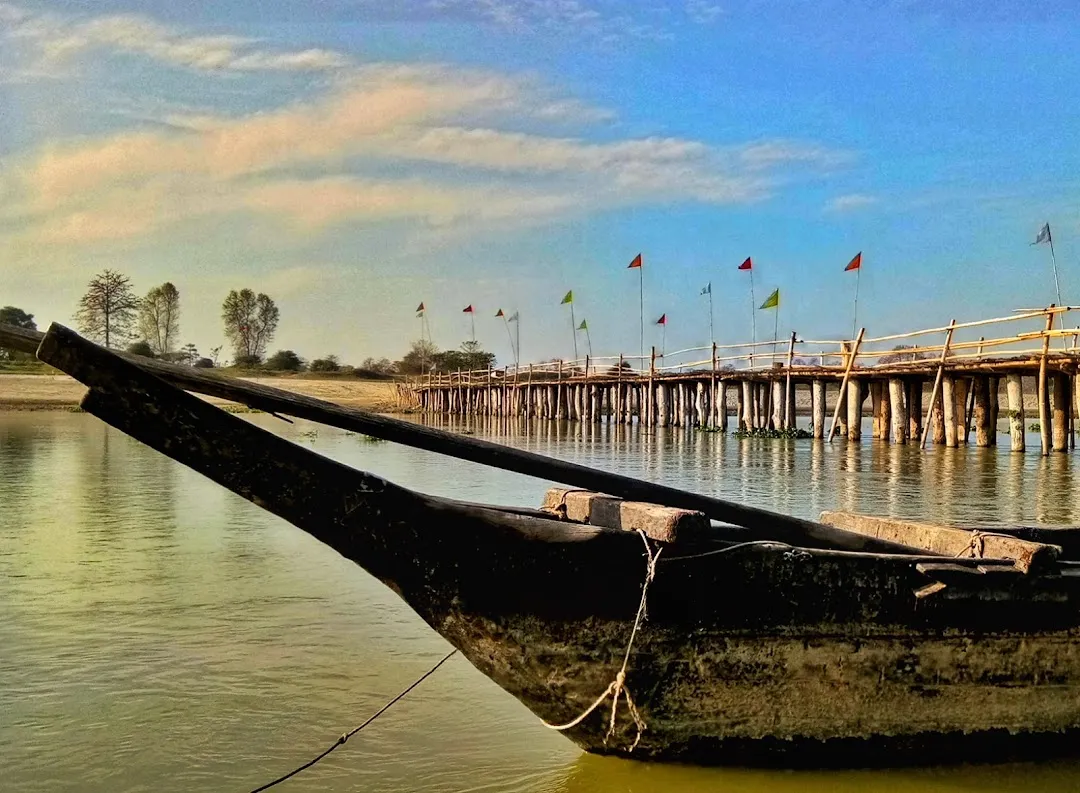
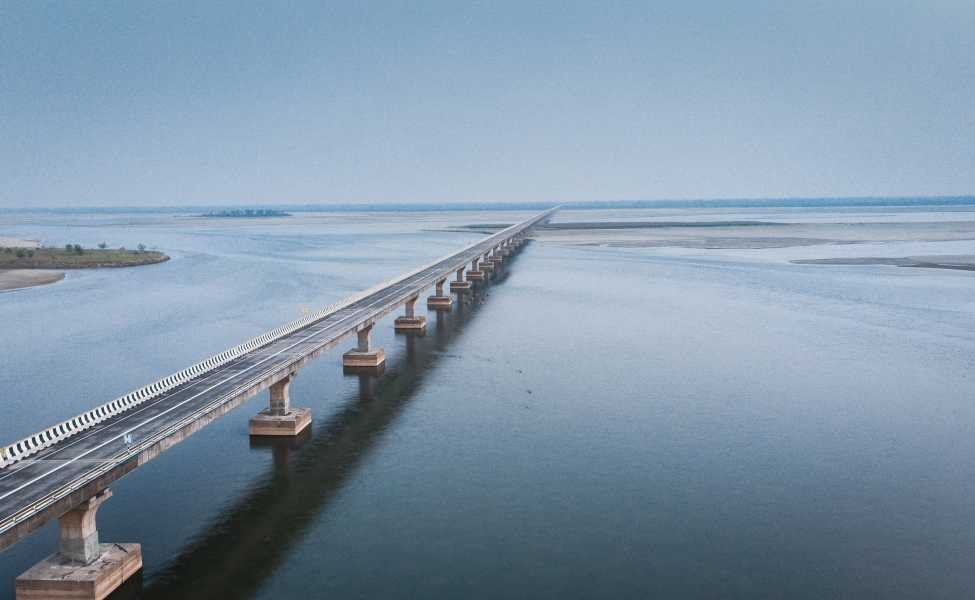
Several rivers traverse the district — the mighty Brahmaputra flows along the northern side, while Desang, Dikhow, Darika, and Janji crisscross its landscape. The Janji River marks the western boundary with Jorhat district, and all eventually flow into the Brahmaputra.
Other Important Places of Interest
• Tai Museum
• Uttoron Museum
• Jorabari Satra
• Nityananda Dev Than
• Khatpar Satra
Sivasagar is
more than a destination
it’s an experience of walking through time. And at The Heritage Homestays, we make sure your journey into this living heritage is as comfortable, exciting, and memorable as it deserves to be.
Stay with us and uncover the soul of Assam.